the benefits of a slow flow yoga in the evening
the benefits of a slow flow yoga in the evening
By the time evening arrives, most of us are carrying the invisible weight of the day. Whether it is physical tightness from hours spent sitting at a desk, a mind buzzing with an unpolished to-do list, or the general exhaustion of decision fatigue, our bodies are often locked in a state of high alert. While it is tempting to collapse onto the couch or push through an intense, high-impact workout to blow off steam, there is a more restorative way to transition from the chaos of the day into a night of deep, rejuvenating rest.
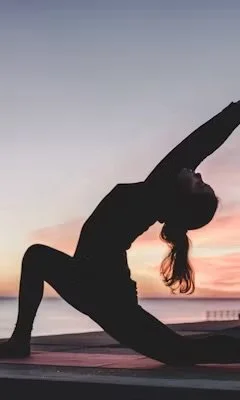
An evening slow flow yoga practice offers a deliberate, mindful bridge between a hectic schedule and a peaceful night. Unlike fast-paced daytime classes designed to spike your heart rate, a slow flow intentionally pairs fluid, rhythmic movement with deep breathing at a greatly reduced tempo.
Here is how dedicating time to a slow-moving evening practice can fundamentally transform your physical mobility, mental clarity, and sleep quality through continuous, dynamic movement.
1. Decompressing the "Desk Body" Through Dynamic Mobility
Sitting, driving, and repetitive daily tasks force the body into structural holding patterns. Over the course of eight to ten hours, the hip flexors shorten, the shoulders round forward, the neck strains, and the lower back compresses.
Because your muscles are already warm from moving throughout the day, the evening is the absolute safest time to target your mobility. A slow flow practice utilizes conscious, dynamic movement to coax your joints through their full functional range of motion. Instead of holding passive, static stretches, these deliberate and fluid transitions continuously circulate synovial fluid to lubricate your joints while actively releasing tension from tight fascia. By focusing on gentle, repetitive movement patterns, you systematically unravel deep-seated stiffness in the neck, shoulders, and lower back—improving your dynamic mobility and leaving you feeling fluid, balanced, and completely spacious before you climb into bed.
2. Shifting the Nervous System Out of "Fight-or-Flight"
Throughout a busy day, constant stimuli—from work deadlines and traffic to phone notifications—keep the sympathetic nervous system highly active. This is the body’s "fight-or-flight" response, which increases your heart rate and floods your system with cortisol.
A slow, continuous flow acts as a physical off-switch for this chronic stress. Moving through a smooth, unbroken sequence of postures forces your breath to lengthen and steady, which directly stimulates the vagus nerve. This stimulation shifts your body into the parasympathetic nervous system—the "rest-and-digest" state. As you glide mindfully from one shape to the next, your heart rate drops and cortisol levels decrease, allowing a profound sense of ease to take over and helping you dissolve the day's mental reactivity.
3. Quieting the Mind with Moving Meditation
Have you ever laid in bed perfectly exhausted, only for your brain to start racing the moment your head hits the pillow? This is sleep-onset insomnia, and it is almost always driven by an un-downregulated mind trying to leap straight from high productivity to immediate sleep.
The beauty of a mobility-focused slow flow lies in its demand for physical coordination. Synchronizing continuous, active movement with a steady breathing rhythm requires your full presence and attention. This creates a powerful form of moving meditation. Because you are tracking your body's trajectory through space rather than staying still, your attention is entirely absorbed, clearing out daytime mental chatter and leaving your mind quiet, grounded, and ready for deep REM sleep.
4. Mobilizing the Core for Healthy Nighttime Digestion
Stress doesn't just impact your mood; it actively disrupts your gastrointestinal tract. Holding static tension in your core and abdomen can restrict motility, leading to uncomfortable evening bloating, indigestion, or acid reflux after dinner.
The continuous, gentle twisting flows, rhythmic forward waves, and active side-body arches typical of an evening mobility practice function as a dynamic massage for your midsection. This gentle, repetitive manipulation increases blood flow and stimulates peristalsis—the natural wave-like muscle contractions of the digestive tract. Moving your core dynamically in the evening helps your body process your meals efficiently and comfortably, ensuring your digestion is settled before you lie down for the night.
5. Establishing a Mindful Evening Ritual
The hours between finishing your obligations and going to bed are critical. Too often, we fall into passive, blue-light-heavy habits to decompress, such as mindless screen scrolling or emotional late-night snacking.
Stepping onto your yoga mat for an evening flow draws a clear, beautiful boundary between your productive life and your private life. It provides a healthy, active ritual that recharges your emotional battery and restores physical alignment without the disruptive simulation of digital devices. It is a daily declaration that your day is complete, your work is done, and it is safely time to rest.
Ready to Unwind? Join Yoga Gal This Week
If you are ready to trade the stress of your day for physical relief and a deeper night's sleep, come experience a dedicated evening slow flow with Yoga Gal. These community-based classes are specifically designed to help you decompress, stretch safely, and reset your nervous system right in your neighborhood.
Grab your mat and join us at either of our local evening sessions:
Mondays at 6:00 PM at the Pacific Highlands Ranch Rec Center
Mondays at 6:15 PM at the Carmel Valley Recreation Center
No prior experience is necessary—just an open mind and a desire to give your body the evening recovery it deserves. Space can fill up quickly, so be sure to arrive a few minutes early to set up your mat and settle into the space. We'll see you on the mat!